

Old Bay vs Cajun Seasoning


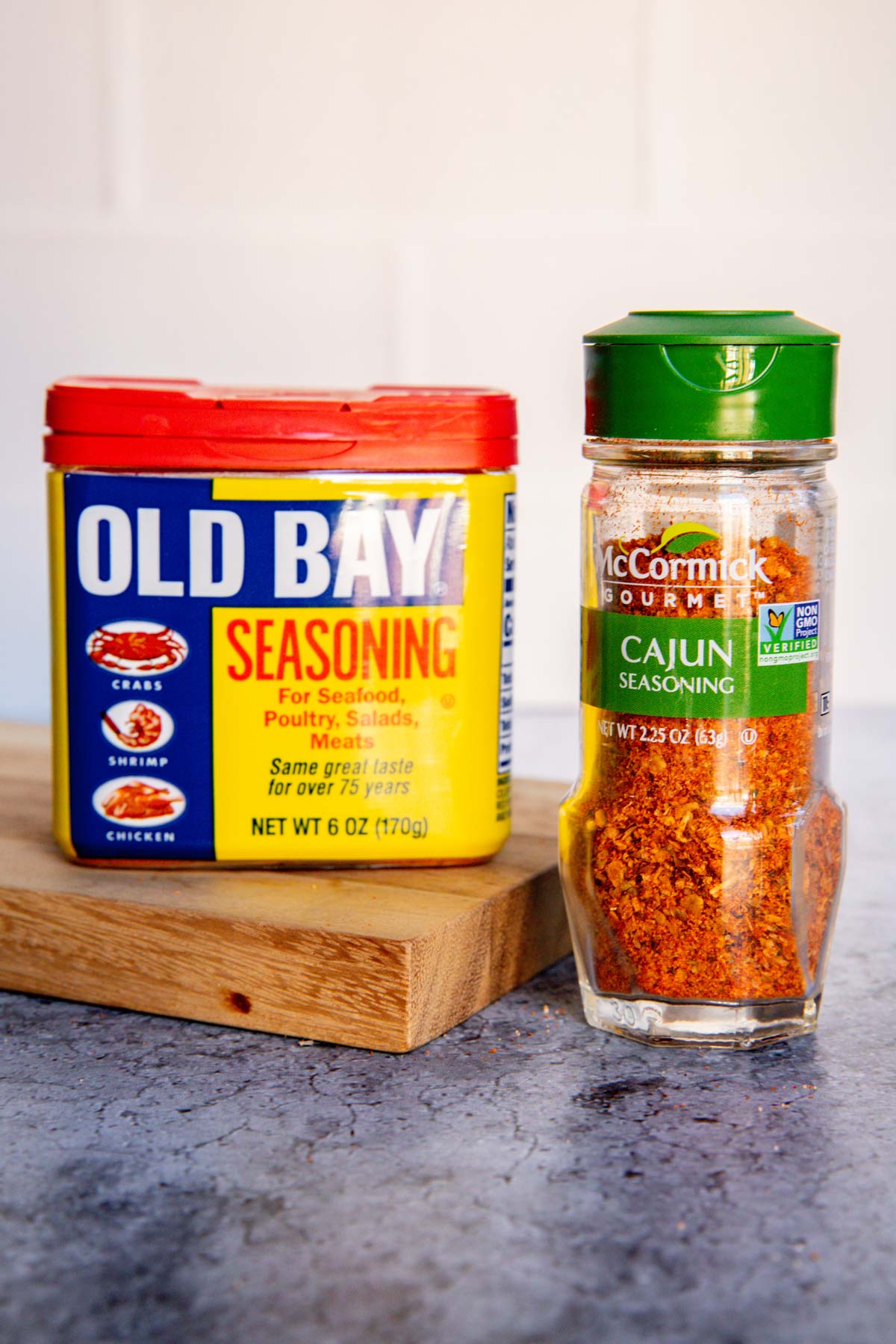
Ever wonder what the difference between Old Bay vs Cajun Seasoning is? You’ll know what seasoned salt is best for what dish!
- What is Old Bay seasoning?
- What is Cajun seasoning?
- Is Old Bay Cajun seasoning?
- What is the difference between Old Bay seasoning and Cajun seasoning?
- Can I use Old Bay seasoning instead of Cajun seasoning?
- What is a good substitute for Cajun seasoning?
- Old Bay vs Cajun Seasoning by Cooking Method
- Grilling
- Boiling and Steaming
- Air Frying
- Blackening and Searing
- Roasting
- What kind of dishes should I use Cajun seasoning in?
Growing up on the shores of the Chesapeake Bay in Maryland, the loyalty to Old Bay seasoning runs deep. We use it on just about everything! It adds the perfect salty touch to whatever you add it to – think crab cakes, french fries, crab boil or shrimp boils, Bloody Marys, popcorn, mac & cheese, really anything.
Recipes often call for cajun seasoning which is a blend that is close in ingredients, but different in their flavor profiles.
The biggest thing I wanted to know was the difference between them and how each would work in a dish. If you try them individually, you’ll know the difference and can taste all of the different flavors that each presents.
Cajun seasoning tends to lean spicier with the peppers, while Old Bay seasoning tends to lean a little more salty with the celery salt.
The Culinary Compass participates in several different affiliate programs.
As an Amazon Associate, we earn from qualifying purchases.
What is Old Bay seasoning?
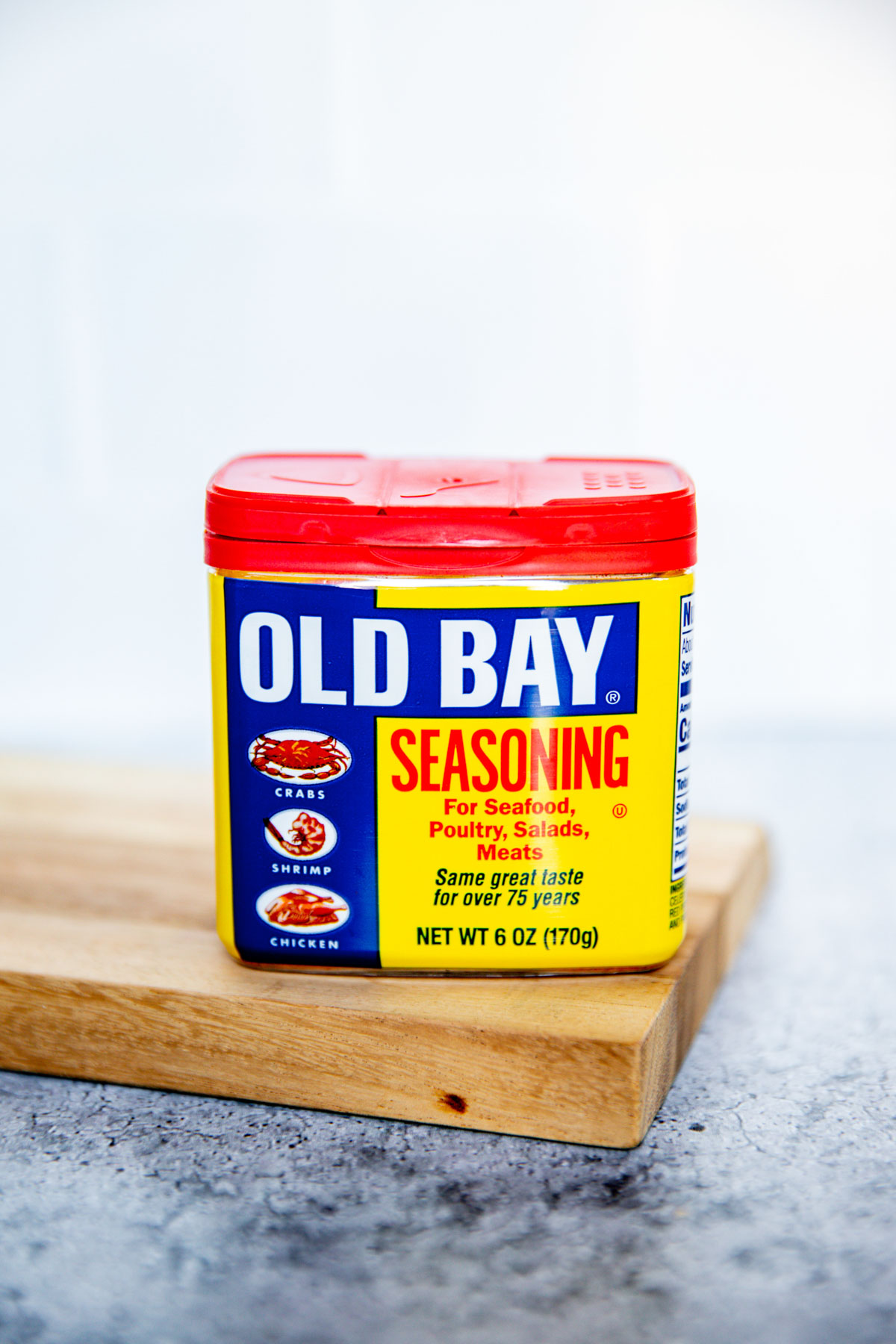
Old Bay Seasoning is a blend of herbs and spices created by McCormick & Company which is based in Baltimore, Maryland.
It’s marketed as a seasoning “For Seafood, Poultry, Salads, Meats.” If you’re from Maryland, that’s definitely true! We can put it on anything and everything.
The flavorful seasoning blend is celery salt mixed with black pepper, crushed red pepper flakes, paprika, and other spices that McCormick notoriously keeps close to the chest.
While the rest of the spices are a secret, most copycat recipes call for ground mustard or mustard seeds, mace, nutmeg, bay leaves, white pepper and cardamom, too.
What is Cajun seasoning?
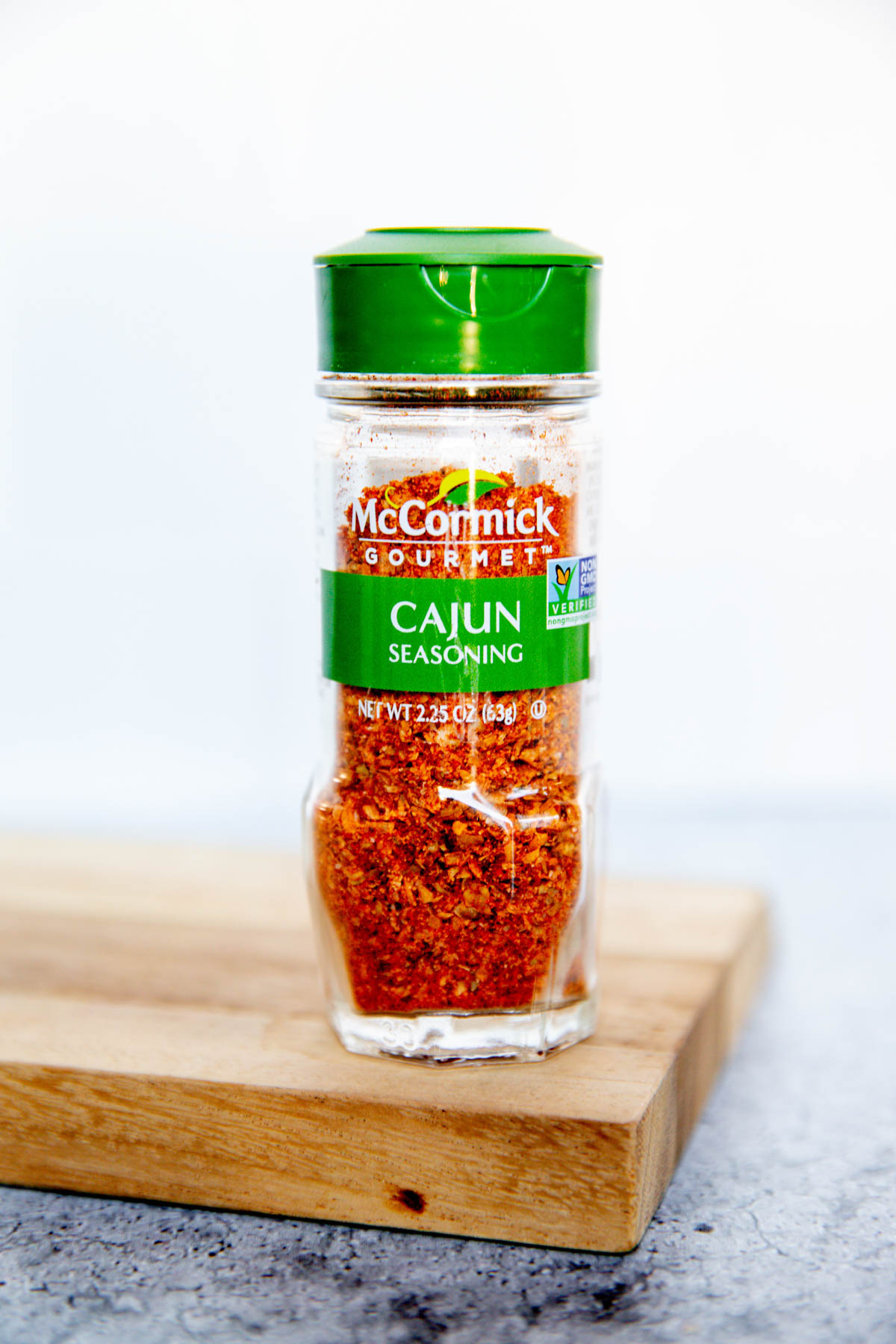
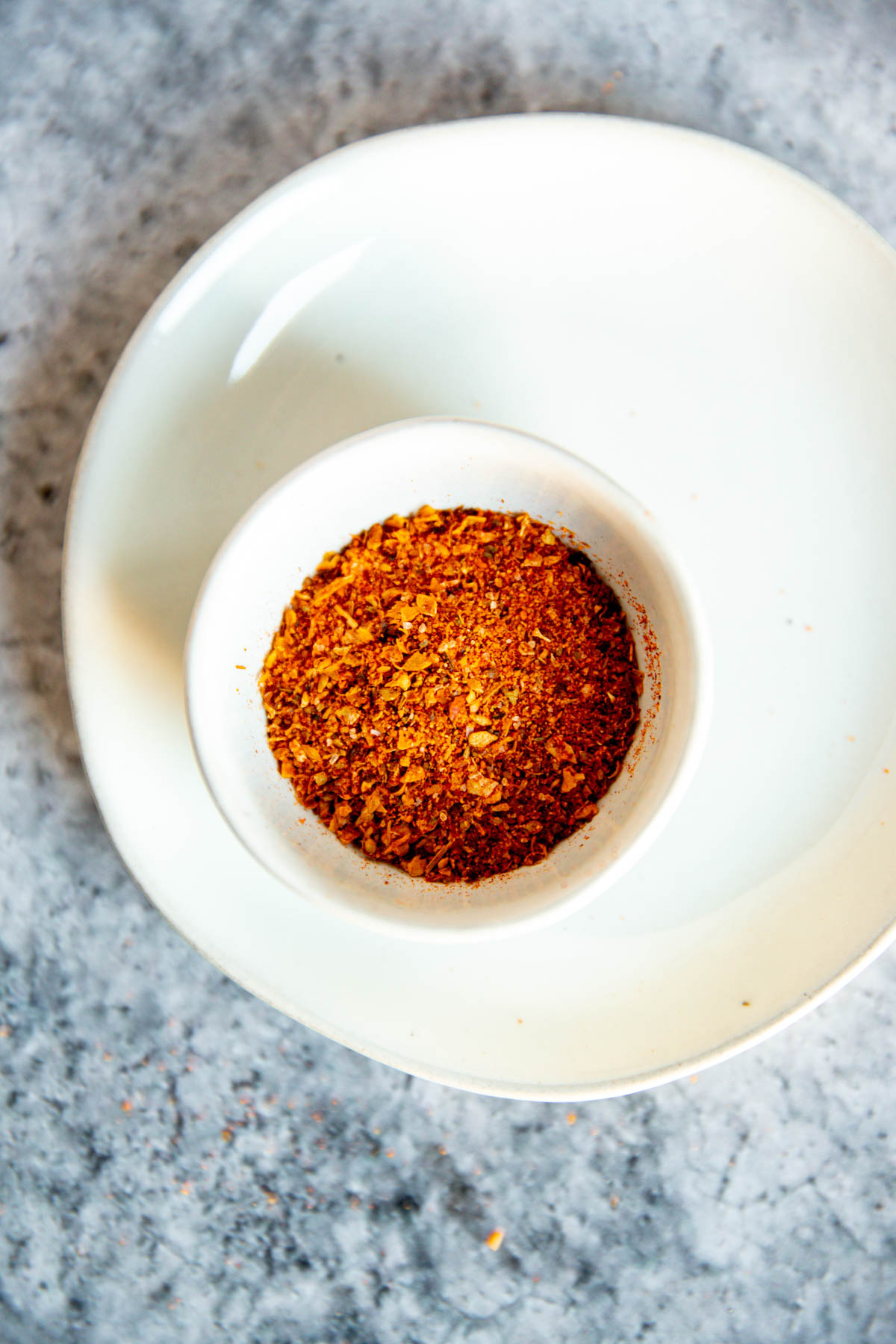
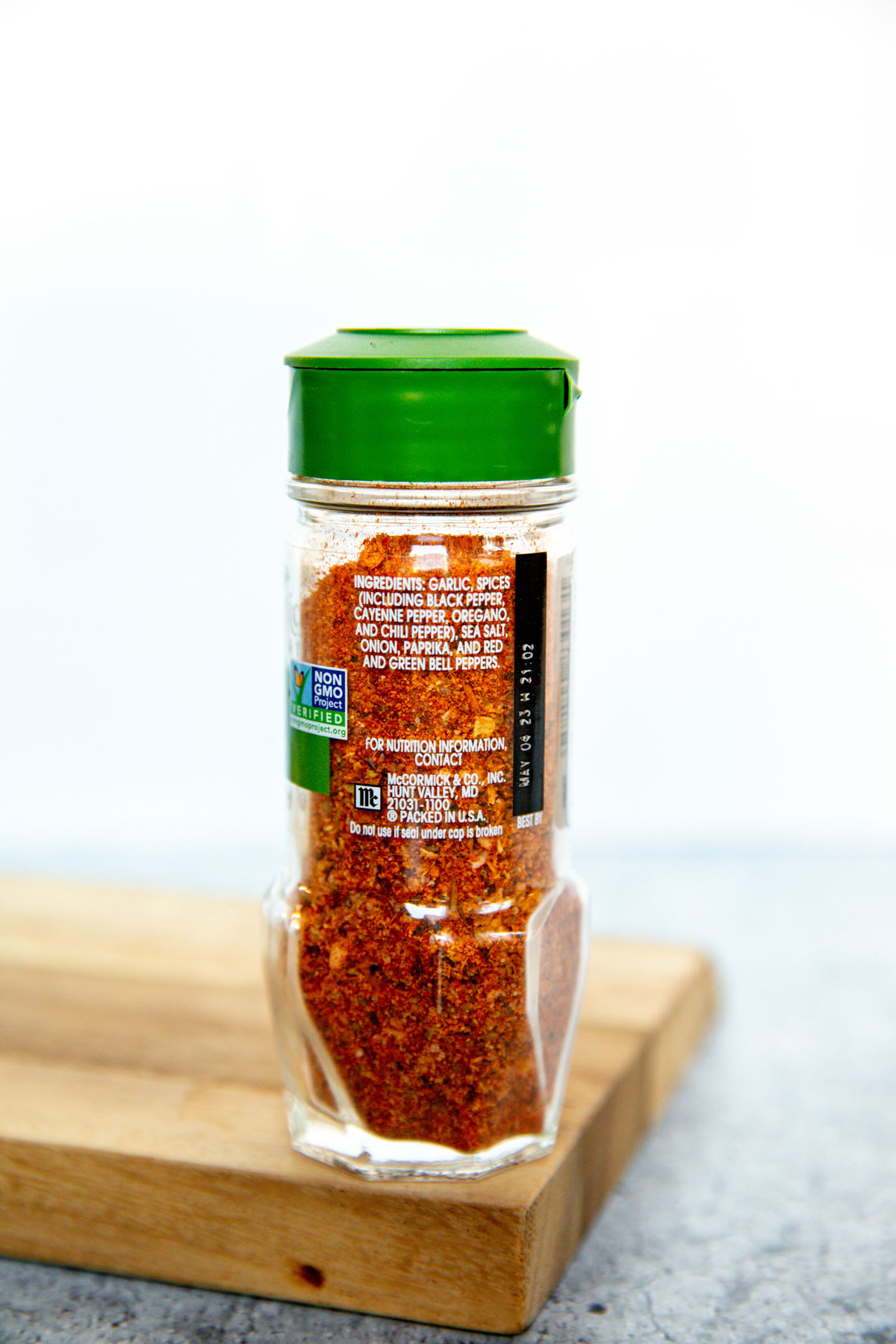
Cajun seasoning is often a spice blend of garlic powder, spices like black pepper, cayenne pepper, dried oregano, and chili pepper, sea salt, onion powder, paprika, and red and green bell peppers.
Cajun seasoning is a bit different from a creole seasoning blend so each definitely have their place in your spice rack.
It might be a touch spicier with its variety of peppers, while creole seasoning might take on more herbal flavors. Both can be found throughout cuisine in New Orleans.
Is Old Bay Cajun seasoning?
No. Old Bay is not a Cajun seasoning, even though the two get swapped all the time and share a spice cabinet shelf in plenty of kitchens. They come from two different regions with two different food traditions.
Old Bay is a Chesapeake Bay blend. Gustav Brunn created it in Baltimore in 1939 to season the steamed crabs and shrimp that Maryland is famous for, and McCormick has made it since 1990. Its flavor is built on celery salt, with paprika, black pepper, red pepper and warm spices like mustard, mace and bay leaf. It tastes savory and a little herby, and it’s more salty than spicy.
Cajun seasoning comes from the Acadian cooking of south Louisiana, and there’s no single trademarked recipe behind it. Most blends are built on paprika, cayenne, garlic, onion, black pepper and oregano or thyme. It’s bolder and hotter, and you’ll get more garlic and chile than celery.
The overlap is real, though. Both use paprika and red pepper, both go great with seafood, and both show up at seafood boils. That’s why one can stand in for the other if you’re short on either. Just remember that Old Bay brings more salt and Cajun brings more heat.
What is the difference between Old Bay seasoning and Cajun seasoning?
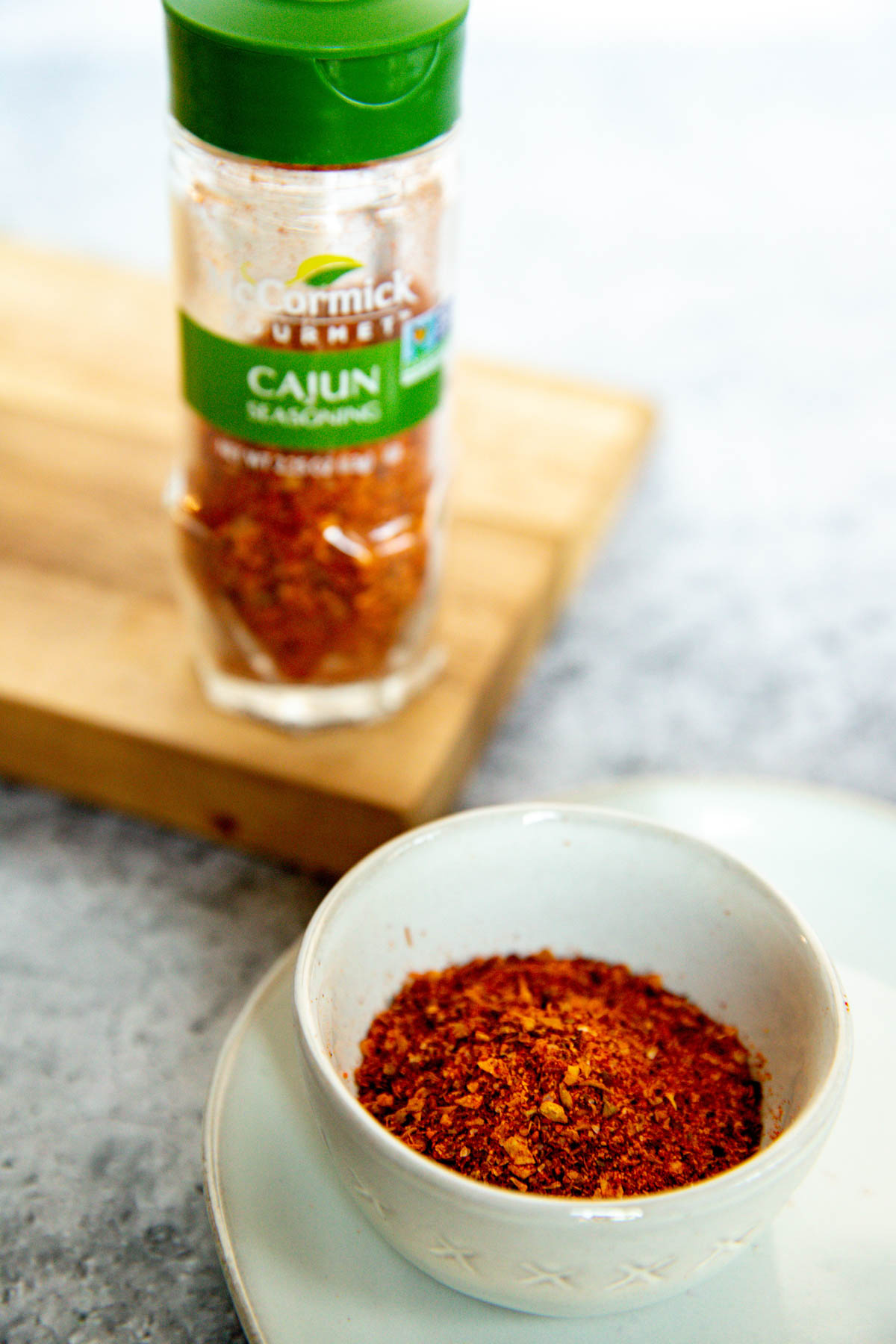
Cajun seasoning blends typically contains less than ten spice ingredients and most of those are a type of pepper making it more spicy than Old Bay.
Old Bay’s taste profile is relatively mild with little quantities of each ingredient. It’s a great way to add salt to your dish with a bit more of a flavor profile.
Can I use Old Bay seasoning instead of Cajun seasoning?
You can definitely use Old Bay seasoning instead of Cajun seasoning. It might be a little more salt forward so adding a touch of cayenne pepper to make up for the heat could be a good option.
What is a good substitute for Cajun seasoning?
Old Bay seasoning is a great option to swap in for Cajun seasoning, if you don’t have that on hand.
If you have Creole seasoning in your spice rack, that’d also be a great option to opt for instead of cajun seasoning.
If you don’t have any spice blends around, try making your own seasoning mix made with peppers like black pepper, red peppers, cayenne pepper, and even paprika.
Old Bay vs Cajun Seasoning by Cooking Method
These two blends don’t behave the same way once heat gets involved. Here’s how each one does with the cooking methods I use most.
Cooking method | Old Bay | Cajun Seasoning |
|---|---|---|
Grilling | Great on shrimp, fish and chicken. Watch the salt if you’ve brined. | Great, but the paprika and garlic can scorch over high direct heat. |
Boiling and steaming | The classic choice for Chesapeake crabs and steamed shrimp. | The classic choice for Louisiana crawfish and shrimp boils. |
Air frying | Toss with oil first so it doesn’t blow around the basket. | Toss with oil first. Crisps up beautifully on shrimp, wings and fries. |
Blackening and searing | Not ideal, since the high salt burns and turns bitter. | Built for it. This is where Cajun blends shine. |
Roasting | Excellent on potatoes, corn and cauliflower. | Excellent on potatoes, sausage and sheet pan dinners. |
Grilling
Both blends are winners on the grill. My Grilled Boneless Skinless Chicken Thighs take either one happily. Go easy on Old Bay if you’ve already brined, and sear Cajun-seasoned food over direct heat before moving it to the cooler side so the paprika doesn’t burn.
Boiling and Steaming
Old Bay is the Maryland standard for crabs and Old Bay Steamed Shrimp, while Cajun seasoning brings the heat to Louisiana-style crawfish boils. A lot of the seasoning ends up in the water, so be generous with either one.
Air Frying
The air fryer‘s fan will blow dry seasoning right off your food. Toss everything with a little oil first, then season so it actually sticks.
Blackening and Searing
Cajun seasoning is made for a screaming hot cast iron pan. Regular Old Bay’s high salt content turns bitter at those temperatures, but McCormick makes an Old Bay Blackened Seasoning if you want that Chesapeake flavor with a seared crust.
Roasting
Moderate oven heat is forgiving, so both blends toast up nicely here. Old Bay loves potatoes and corn, and Cajun seasoning is perfect for a sheet pan of sausage and peppers.
What kind of dishes should I use Cajun seasoning in?
Cajun seasoning is great in all sorts of dishes! Try one of the savory dishes below:


